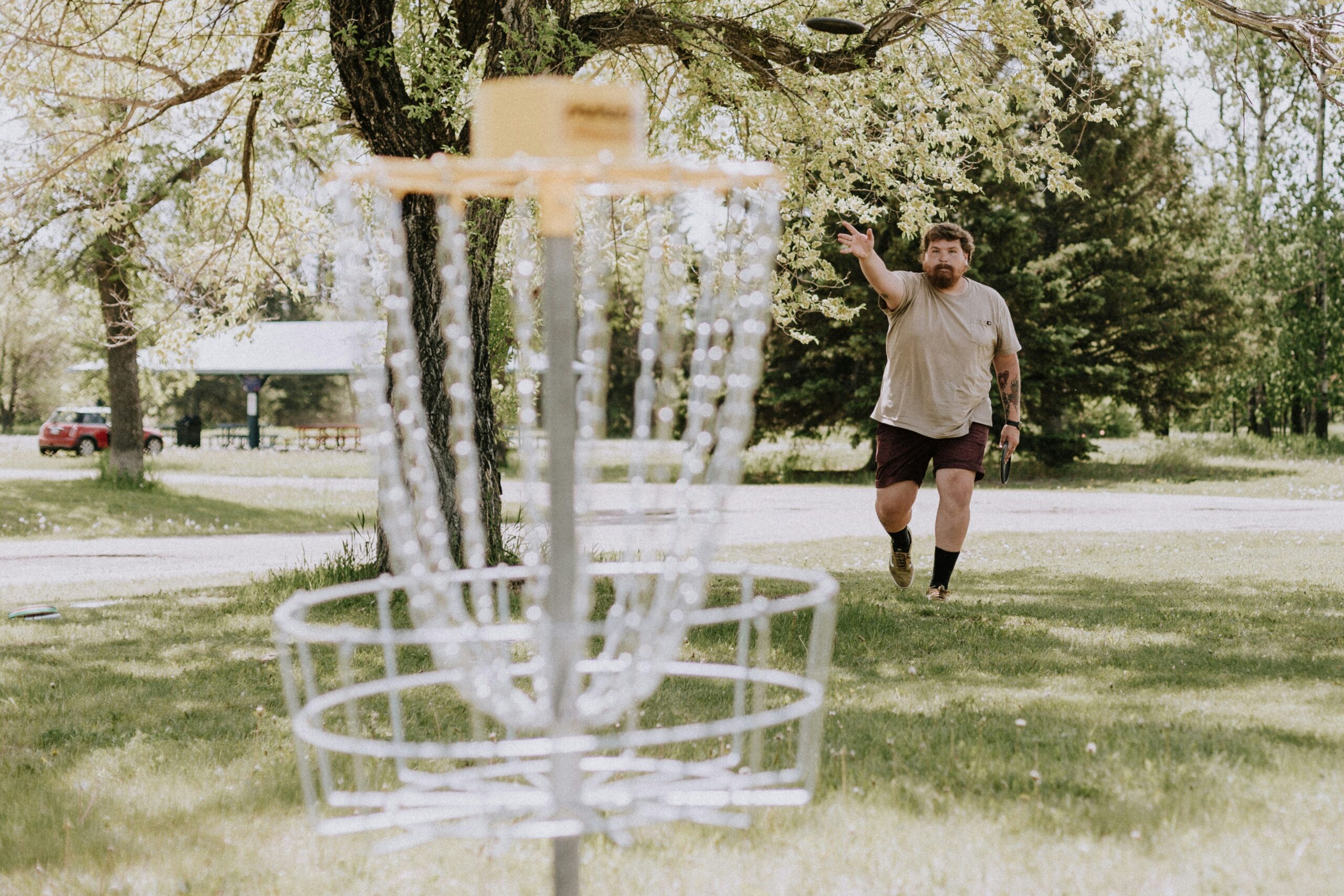
Disc golf gives new players a fun, affordable, and active way to spend time outdoors. Unlike many sports, it does not require expensive equipment, complicated rules, or a large team. You can walk onto a local course with a few discs, comfortable shoes, and a basic understanding of the game. However, the right beginner disc golf gear can make your first rounds more enjoyable, more consistent, and much less frustrating.
Many beginners assume they need a full bag of high-speed drivers right away. In reality, a simple gear works best at the start. New players benefit most from control, comfort, and confidence. Therefore, the best disc golf starter kit should help you throw clean shots, stay organized, and handle changing course conditions. With a smart setup, you can focus on learning from, reading fairways, and enjoying the game.
Start With A Reliable Putter
A putter should become the first disc in every beginner’s bag. Although it may look simple, it helps players learn touch, accuracy, and clean release. Since putting accounts for many scores, beginners should spend time getting comfortable with a dependable putter.
A good beginner putter usually feels comfortable in the hand and flies straight at lower speeds. It should not require advanced power or perfect form. Additionally, a stable putter can help with short approach shots, not just putts near the basket. Because of this versatility, many players use their putter more than any other disc during a round.
When choosing a putter, focus on feel first. If the rim feels awkward, you may struggle to release it smoothly. Also, avoid buying several putters immediately. Instead, choose one, practice with it often, and learn how it flies from different distances. Over time, that familiarity will build confidence around the basket.
Add A Straight Midrange Disc
After a putter, a straight midrange disc should become your next essential piece of disc golf beginner gear. Midrange discs help players control distance without needing too much arm speed. They also clearly reveal throwing mistakes, which helps beginners improve faster.
A midrange works well for tee shots on shorter holes, controlled fairway shots, and approach shots that need more distance than a putter can provide. Since it does not fade as sharply as many drivers, it can help new players keep the disc in the fairway. As a result, beginners often score better when they rely on midranges instead of reaching for fast discs too soon.
Look for a neutral or slightly stable midrange. It should fly mostly straight when thrown flat. Furthermore, choose a plastic that feels good in your grip. Premium plastic may last longer, while base plastic often provides better grip. Either option can work well, so comfort and control should guide your decision.
Choose A Beginner Friendly Fairway Driver
Many new players want distance immediately, and that desire makes sense. However, high-speed distance drivers often punish beginners because they require more power and better technique. A beginner-friendly fairway driver offers a better path.
Fairway drivers travel farther than midranges, yet they still give players more control than maximum distance drivers. They can help beginners learn smooth form, proper release angles, and fairway placement. Consequently, a fairway driver often becomes the best first driver for new disc golfers.
Choose a slower fairway driver with a straight or slightly understable flight. This type of disc can help newer players achieve more distance without forcing the throw. Additionally, it can teach you how discs turn, glide, and fade. Once your form improves, you can explore faster discs, but at the start, controlled distance matters more than raw speed.
Use A Small Disc Golf Bag
A disc golf bag may not seem necessary at first, yet it quickly becomes one of the most useful beginner disc golf accessories. Even a small shoulder bag can keep your discs organized, protect your belongings, and make a full round more comfortable.
Beginners do not need a large tournament-style backpack. A compact bag that holds six to ten discs usually works well. It should also have space for keys, a phone, a water bottle, and a towel. Since disc golf involves plenty of walking, comfort matters. A light bag helps you move freely without feeling overloaded.
As you improve, your disc collection may grow. However, starting small encourages better learning. Instead of carrying twenty discs you barely know, you can master a few reliable options. That approach makes shot selection easier and helps you understand how each disc behaves.
Wear Comfortable Course Shoes
Footwear plays a bigger role in disc golf than many beginners expect. Courses often include grass, dirt, gravel, hills, roots, and wet areas. Because players walk frequently and rotate during throws, comfortable shoes can improve both safety and performance.
You do not need special disc golf shoes to begin. Still, you should wear athletic shoes with solid traction and enough support for uneven ground. Trail running shoes often work well because they grip various surfaces and remain comfortable on long walks. If the course stays muddy or damp, waterproof shoes can help keep your feet dry.
Good shoes also support better throwing mechanics. When your footing feels secure, you can rotate with more confidence. Additionally, you reduce the risk of slipping during drives or approach shots. Therefore, reliable shoes belong on any list of essential gear for disc golf beginners.
Carry A Towel For Grip And Control
A towel may seem like a small detail, but it can save a round. Discs collect moisture from grass, dirt, rain, and humidity. Once a disc feels slick, your grip becomes inconsistent. As a result, throws may release early, slip out late, or lose accuracy.
A basic microfiber towel works well for most beginners. Clip it to your bag or keep it in an easy-to-reach pocket. Use it before important throws, especially when playing in the morning or after rain. Clean, dry discs help you release the disc more smoothly.
Towels also help keep your hands clean. Since disc golf often takes place in wooded or grassy areas, mud and dust can affect grip. By making towel use a habit, you create a simple routine that improves consistency. Small habits like this often separate frustrating rounds from enjoyable ones.
Bring A Mini Marker And Scorekeeping Tool
A mini marker disc helps players mark their lie after a throw. While casual beginners may not need one immediately, it becomes useful as soon as you play with others or join organized rounds. It also helps you learn proper disc golf etiquette.
A mini marker shows where your next throw should begin. This keeps play fair and teaches you the game’s rhythm. Additionally, using one helps you feel more comfortable when you eventually enter leagues, doubles nights, or beginner tournaments.
Scorekeeping also matters. You can use a phone app, a small notebook, or a printed scorecard. Tracking scores helps you notice progress over time. However, avoid obsessing over numbers too early. Instead, use scores as a learning tool. Notice which holes cause trouble, which discs work best, and which parts of your game need practice.
Pack Water And Weather Basics
Disc golf rounds can last longer than expected, especially on larger courses, since players walk from hole to hole. Hydration matters. A reusable water bottle should stay in your bag for every round. Even on cool days, steady movement can lead to fatigue.
Weather basics also help beginners stay comfortable. Sunscreen, a hat, and sunglasses can protect you during open course play. In cooler months, a light layer can keep you warm without limiting your throwing motion. If rain looks possible, a small rain jacket or extra towel can make the round easier.
Preparation helps you focus on the game instead of discomfort. When you stay hydrated, dry, and protected from the sun, you enjoy the course more. In addition, you make better decisions because fatigue and irritation do not take over.
Keep Your Starter Kit Simple
The best disc golf starter kit does not need to look impressive. It needs to help you learn. A beginner can play strong rounds with a putter, a straight midrange, a beginner-friendly fairway driver, a small bag, comfortable shoes, a towel, a mini marker, and water. This simple setup covers nearly every situation a new player will face.
As you gain experience, you can add discs for specific shots. You may want an understable driver for easier distance, an overstable approach disc for wind, or extra putters for practice. However, growth should happen gradually. First, learn the discs you already own. Then, add gear only when you understand what problem it solves.
Disc golf rewards patience. Better gear can support your progress, but it cannot replace practice, good form, and smart choices. Therefore, beginners should focus on consistency before complexity.
Building Confidence One Round At A Time
Essential gear for disc golf beginners should make the sport easier to learn and more enjoyable to play. The right discs help you control flight. The right bag keeps you organized. Comfortable shoes protect your feet. A towel improves grip, while water and weather basics keep you ready for changing conditions.
Most importantly, beginner disc golf equipment should encourage confidence. When you step onto the first tee with simple, reliable gear, you can focus on smooth throws and good decisions. You will still miss lines, hit trees, and learn hard lessons, but that is part of the fun. With each round, your form improves, your disc knowledge grows, and your comfort on the course increases.
Disc golf welcomes beginners because it combines challenge with freedom. You can play alone, with friends, or in a local league. You can compete seriously or enjoy a walk through the park. However you choose to play, the right starter gear gives you a strong foundation. Start simple, practice often, and let every round teach you something new.