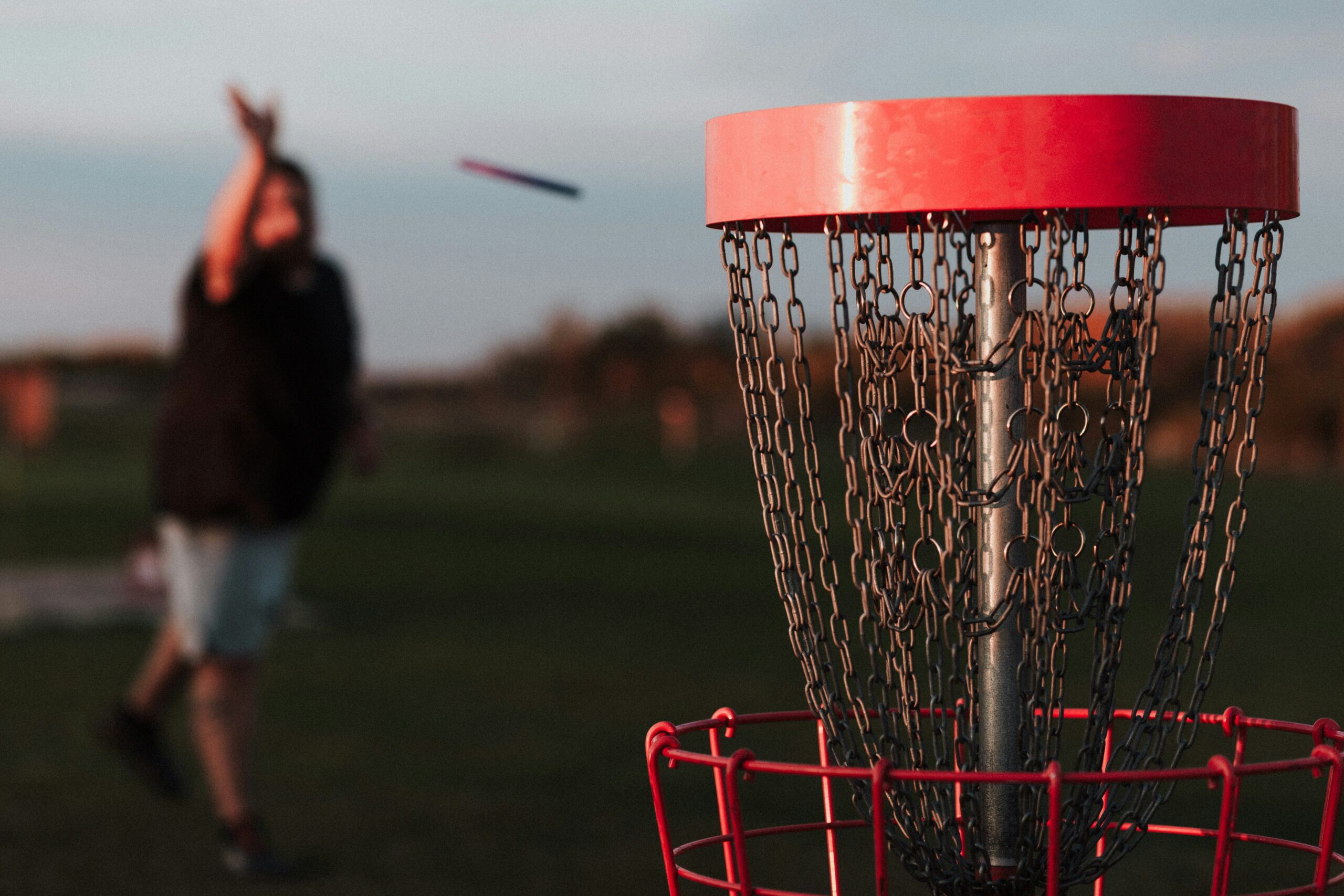
Disc golf throws can change your whole game. A strong throw adds distance, while a clean release improves accuracy. Many players chase power first. However, smart form matters more than raw force. When your body moves in sync, the disc flies farther and stays on line.
Players often lose distance because they rush the throw. Others pull the disc too wide or release too late. As a result, the disc fades early or dives off target. Good habits fix these problems fast. In addition, simple adjustments help players gain control without adding stress to the arm.
You do not need elite strength to throw well. Instead, you need balance, timing, and confidence. Once these parts work together, your disc golf throws become smooth and repeatable.
Build a Strong Foundation Before the Throw
Every great throw starts with balance. If your feet slide or your body leans too far, the throw loses power. Therefore, you should begin with a stable stance and relaxed posture.
Keep your knees slightly bent and your shoulders loose. Then, hold the disc close to your chest while you move through the throw. This position keeps the disc on a straight path. As a result, you gain more control and a cleaner flight.
Footwork also matters a great deal. Many players move too fast during the run-up. However, slower, smoother steps often generate more power. Controlled movement helps your hips and shoulders rotate at the right time.
Try to stay centered during each step. As you move forward, keep your weight evenly distributed over your feet. Then, shift your weight smoothly from the back foot to the front foot during the release. This motion creates strong energy without forcing the throw.
Use Proper Grip for Better Disc Golf Throws
A weak grip leads to poor control. On the other hand, a firm grip creates a clean release and better spin. Spin keeps the disc stable in the air, so grip matters more than many players think.
Press your fingers tightly under the rim. At the same time, keep the wrist relaxed. A stiff wrist often reduces snap and hurts accuracy. Instead, allow the wrist to move naturally through the release.
The disc should sit firmly in your hand without tension in the arm. This balance helps you throw harder while staying accurate. In addition, a good grip improves confidence during pressure shots.
Different throws may need small grip changes. Still, the basic goal stays the same. You want clean spin, fast release, and steady control.
Create Power Through Hip Rotation
Many new players throw mostly with the arm. However, strong disc golf throws come from the whole body. The hips create most of the power, while the arm guides the disc.
As you move into the throw, rotate your hips before your shoulders open. This sequence builds energy and transfers force into the disc. If the shoulders open too early, the throw loses speed and accuracy.
Think about cracking a whip. The energy starts low and increases rapidly. Your throw should feel similar. The legs and hips begin the motion, while the arm follows through at the end.
Good hip rotation also protects the arm from stress. Since the body shares the workload, the throw feels smoother and more natural. Therefore, players often gain distance while reducing fatigue.
Improve Accuracy With a Straight Pull
A straight pull line helps the disc stay on target. Yet many players swing the disc in a wide curve. This mistake causes inconsistent releases and early fades.
Instead, pull the disc close to the chest during the throw. Keep the motion compact and smooth. Then, release the disc flat and level toward the target.
Your eyes should stay focused on the line you want to hit. Meanwhile, your shoulders should remain balanced throughout the motion. This approach creates cleaner angles and more reliable flights.
Accuracy also improves when players slow down. Although fast movement may feel powerful, it often hurts timing. A smooth throw usually travels farther because the energy transfers more efficiently.
Practice short throws with perfect form before trying full power. As a result, your body learns the correct movement pattern. Over time, the throw becomes automatic.
Choose the Right Disc for Each Shot
The wrong disc can ruin even a strong throw. Therefore, disc selection plays a major role in both distance and control.
Drivers work well for long shots, but they require smart technique. Meanwhile, fairway drivers often provide better accuracy for newer players. Midrange discs also help players develop clean form by revealing mistakes quickly.
Do not chase the fastest disc in the store. Instead, choose a disc that matches your skill level. A slower disc with good control usually performs better than an overstable driver thrown without proper form.
The weather also affects disc flight. For example, headwinds can make discs turn more. On the other hand, tailwinds often reduce glide. Learning these patterns helps players make smarter decisions during a round.
Practice Disc Golf Throws With Purpose
Random practice slows improvement. Instead, focused practice creates steady progress. Start each session with one goal, such as cleaner releases or better balance.
Throw multiple discs using the same angle and speed. Then, watch how each disc reacts. This process teaches control and helps players understand flight patterns.
Field work also builds confidence. Open spaces allow players to focus on form without worrying about obstacles. In addition, repeated throws strengthen muscle memory.
Record your throws when possible. Video helps players spot timing issues and poor posture. Small mistakes often become easier to fix once you see them clearly.
Most importantly, stay patient. Strong habits take time to build. However, steady practice always leads to better results.
Finish Every Throw With Full Follow-Through
The follow-through completes the throw and protects the body. Yet many players stop the motion too early. This mistake reduces both distance and accuracy.
Allow your arm to continue naturally after release. At the same time, let your body rotate fully toward the target. This movement keeps the throw smooth and balanced.
A strong follow-through also helps maintain accuracy under pressure. Since the body stays relaxed, the release feels more controlled. As a result, throws stay cleaner during competition.
Great disc golf throws do not come from luck. They come from smart mechanics, steady practice, and controlled movement. When you focus on balance, timing, and smooth power, your throws gain both distance and precision. Over time, these simple habits turn average shots into confident drives that hold the line and finish strong.