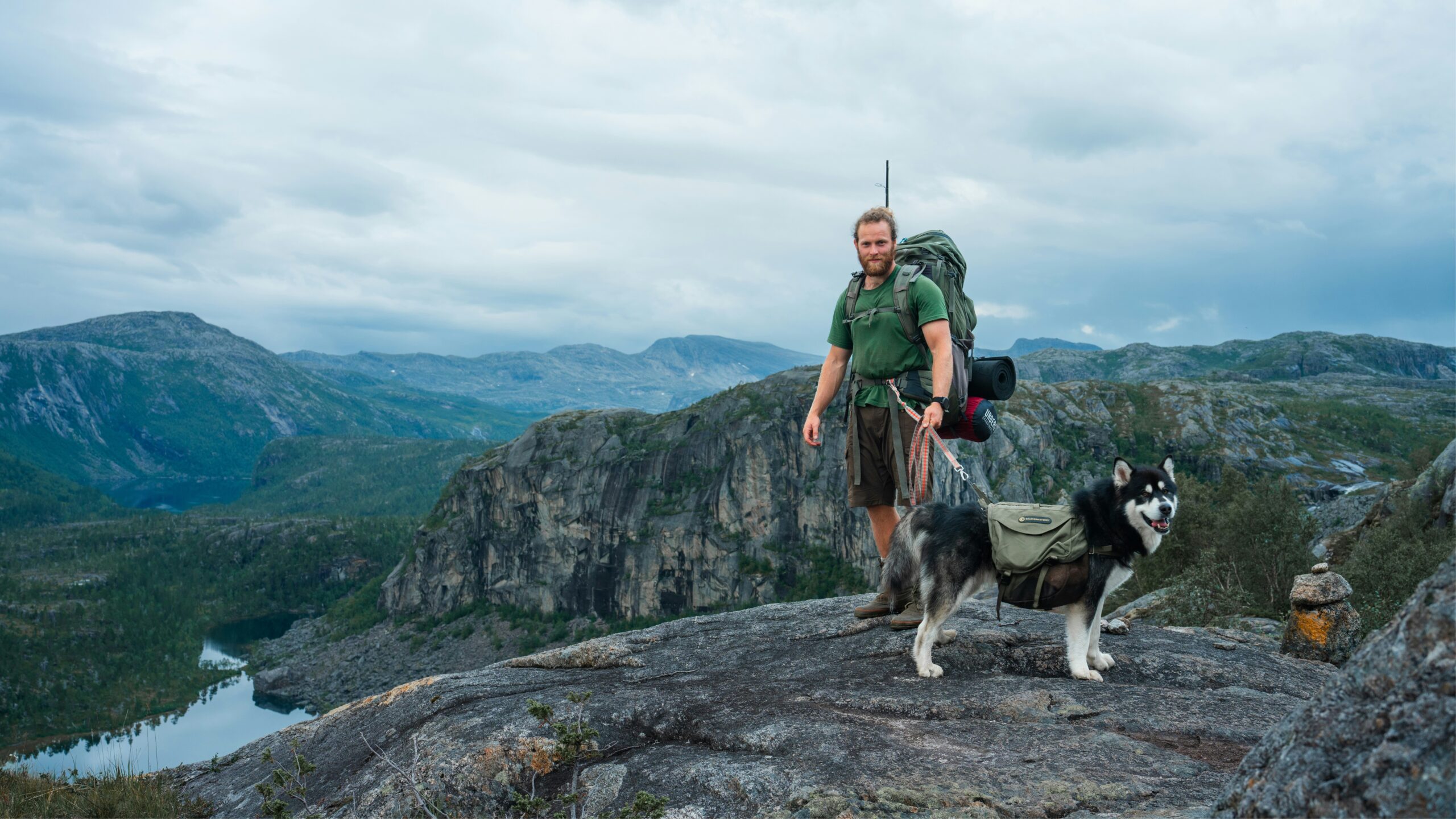
Taking your dog on a hiking adventure creates lasting memories while supporting physical and mental health. However, every trail presents unique challenges that demand careful planning. Dog trail safety should always remain the top priority before, during, and after every hike. Proper preparation reduces risks and allows both you and your dog to enjoy the outdoors with confidence. Moreover, responsible hiking protects wildlife, preserves natural habitats, and encourages positive experiences for other trail users.
Why Dog Trail Safety Matters Before Every Hike
Every hiking trail offers different terrain, weather conditions, and environmental hazards. Therefore, dog owners should evaluate each route before leaving home. A trail that suits experienced hikers may overwhelm an older dog or a young puppy.
Dogs cannot immediately express discomfort or injury. Instead, they often continue walking despite pain or exhaustion. Because of this, owners must watch for subtle behavioral changes throughout the hike. Early awareness prevents small issues from becoming serious emergencies.
Choose a Trail That Matches Your Dog’s Ability
Selecting the right trail is one of the most important safety decisions. Some dogs thrive on long mountain hikes, while others perform better on shorter forest paths. Consider your dog’s age, fitness level, breed, and overall health before making your choice.
Research trail length, elevation gain, surface conditions, and available shade. Additionally, confirm whether dogs are allowed and whether leash regulations apply. Many parks also restrict dogs in wildlife protection areas. Following these rules protects everyone and supports responsible outdoor recreation.
Prepare Your Dog Before Hitting the Trail
Good preparation begins long before the hike starts. Dogs benefit from regular walks that gradually increase in distance and difficulty. This steady conditioning strengthens muscles and improves endurance without causing unnecessary strain.
Schedule a veterinary checkup if your dog has medical concerns or plans to begin frequent hiking trips. Likewise, ensure vaccinations remain current, and flea and tick prevention stays effective. Healthy dogs recover faster and face fewer health risks outdoors.
Pack Essential Dog Hiking Gear
Bringing the proper equipment makes every hike safer and more comfortable. Even short trails require basic supplies that support your dog’s health throughout the journey.
Essential dog hiking gear includes fresh water, a collapsible bowl, a sturdy leash, waste bags, identification tags, and a well-fitted harness. Additionally, pack a canine first aid kit with bandages, antiseptic wipes, tweezers, and paw protection. Some owners also carry emergency blankets and extra food for longer hikes. Thoughtful preparation reduces stress if unexpected situations arise.
Keep Your Dog Hydrated Throughout the Hike
Hydration remains one of the most overlooked aspects of outdoor safety. Dogs lose fluids quickly through panting, especially during warm weather or strenuous climbs. Therefore, offer water frequently instead of waiting for obvious signs of thirst.
Avoid allowing your dog to drink from ponds, puddles, or slow-moving streams. These water sources may contain bacteria, parasites, or harmful algae. Instead, provide clean drinking water throughout the hike. Consistent hydration supports energy, regulates body temperature, and reduces health risks.
Protect Your Dog From Heat and Weather Conditions
Weather changes quickly in many hiking areas. Consequently, checking forecasts before leaving home helps prevent dangerous situations. High temperatures increase the risk of overheating, while cold conditions can affect smaller or short-haired dogs.
Plan hikes during cooler morning hours whenever possible. Furthermore, seek shaded rest areas during longer outings. If your dog pants heavily, slows down, or appears weak, stop immediately. Quick action often prevents serious heat-related illnesses.
Rain also creates slippery surfaces and muddy trails. Therefore, reduce your pace and monitor your dog’s footing carefully. Safe decisions always matter more than reaching the destination.
Watch for Wildlife and Environmental Hazards
Nature contains many hidden dangers that deserve careful attention. Snakes, insects, aggressive wildlife, poisonous plants, and sharp rocks can all threaten your dog’s safety.
Keep your dog close and avoid allowing unrestricted exploration. Curiosity often leads dogs into dangerous situations. Additionally, watch for broken glass, fishing hooks, or discarded trash near popular recreation areas.
During tick season, inspect your dog’s coat regularly throughout the hike. Quick removal lowers the chance of disease transmission. Awareness remains one of the strongest forms of outdoor pet safety.
Protect Your Dog’s Paws on Every Trail
Trail surfaces vary significantly between locations. Hot rocks, rough gravel, snow, ice, and sharp branches may damage sensitive paw pads. Therefore, examine trail conditions before beginning your hike.
Many dogs benefit from protective hiking boots on difficult terrain. However, some prefer natural movement without footwear. In either case, inspect paws during rest breaks for cuts, cracks, or lodged debris.
After returning home, wash your dog’s paws thoroughly. This simple habit removes chemicals, mud, seeds, and harmful substances that may cause irritation later.
Follow Proper Trail Etiquette With Your Dog
Responsible behavior improves the hiking experience for everyone. Not every visitor feels comfortable around dogs, even friendly ones. Therefore, maintaining control demonstrates respect for fellow hikers.
Practice reliable recall before attempting off-leash hikes where permitted. Otherwise, keep your dog securely leashed throughout the trip. Additionally, clean up waste immediately and dispose of it properly.
Respect wildlife by preventing unnecessary chasing or barking. Responsible owners help preserve fragile ecosystems while creating a positive impression on the hiking community.
Recognize Signs of Fatigue or Injury
Dogs often hide pain until problems become severe. Consequently, owners should monitor movement, posture, and behavior throughout the hike.
Common warning signs include limping, excessive panting, drooling, trembling, frequent stopping, or reluctance to continue walking. Changes in attitude also deserve attention. A normally energetic dog that suddenly becomes quiet may need immediate rest.
Do not force your dog to complete the planned route. Instead, shorten the hike whenever health concerns appear. Protecting your companion always takes priority over finishing the trail.
Build Safe Hiking Habits for Every Adventure
Safe hiking develops through consistent habits rather than luck. Every successful trip reinforces positive behaviors for both dogs and owners. Over time, these routines become second nature.
Create a checklist before every hike. Confirm weather conditions, trail rules, emergency contacts, supplies, and your dog’s physical readiness. Small preparation steps often prevent larger problems later.
Continue practicing obedience commands during outdoor adventures. Reliable communication increases safety in unexpected situations. Moreover, regular hiking strengthens trust between you and your dog while encouraging healthy exercise.
Make Every Trail Experience Safe and Enjoyable
Every hiking adventure offers opportunities for exploration, exercise, and stronger companionship. However, lasting memories begin with careful preparation and responsible decision-making. Dog trail safety depends on planning, observation, and respect for nature.
Choose appropriate trails, carry reliable dog hiking gear, and maintain consistent pet hiking tips throughout every outing. Likewise, prioritize outdoor pet safety by monitoring weather, hydration, wildlife, and physical condition. Finally, remember that hiking with dogs succeeds when safety always comes before distance. Thoughtful preparation turns every trail into a rewarding experience for both you and your loyal companion.