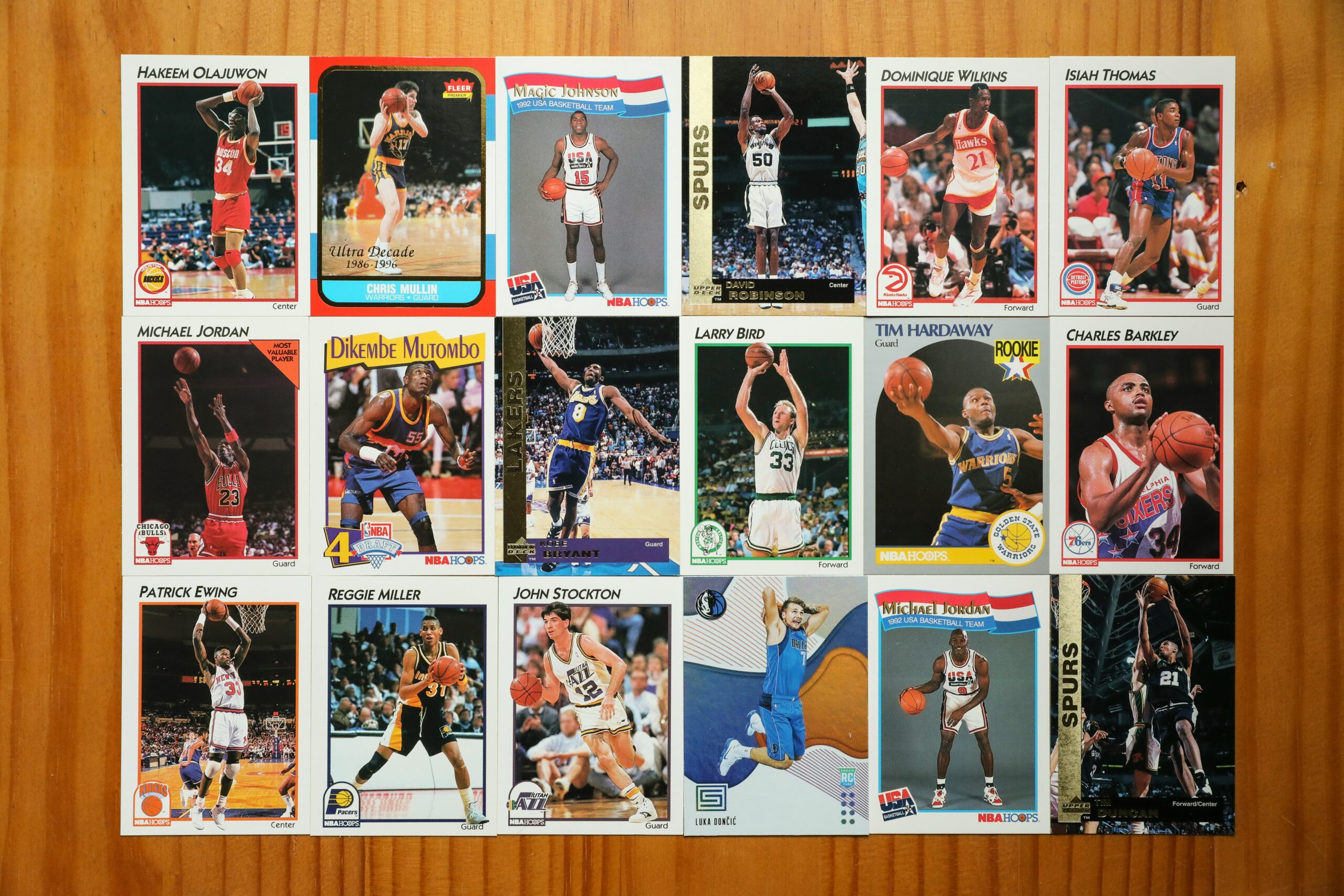
The sports card market has always held a unique place in American culture, blending nostalgia, fandom, and investment potential. What started as a simple hobby in the early 20th century has evolved into a multi-billion-dollar industry, experiencing dizzying highs, dramatic lows, and a remarkable resurgence in recent years. The story of sports cards is not just about cardboard and ink—it is about the people, trends, and cultural moments that have driven this market through cycles of boom and bust.
Early Beginnings and the Golden Age
The history of sports cards dates back to the late 1800s when cigarette companies began including small cards featuring athletes to promote their products. By the 1930s, baseball cards had become a mainstream collectible, with the iconic Bowman and Goudey brands dominating the market. Collectors treasured these cards not only for the players they depicted but also for the sense of connection to the sport itself. During this period, the market thrived on scarcity and rarity, creating a foundation for the hobby that continues today.
The post-World War II era brought what many consider the golden age of sports cards. Topps, founded in 1938, revolutionized the industry by producing affordable and colorful cards that appealed to children and collectors alike. This era produced legendary cards, including the 1952 Mickey Mantle card, which remains one of the most sought-after and valuable sports cards. The combination of limited supply, cultural significance, and nostalgia made the market vibrant and competitive.
The Market Decline
Despite its early success, the sports card market eventually faced a significant decline. By the late 1980s and early 1990s, the industry became oversaturated. Major companies flooded the market with mass-produced cards, often issuing multiple versions of the same player or set. While collectors initially welcomed the abundance, the market soon suffered from overproduction. Scarcity—a key driver of value—vanished, and cards that once held promise of investment began to lose their worth.
Additionally, the rise of digital entertainment and other hobbies shifted the attention of younger generations. Video games, cable television, and the internet provided alternative avenues for entertainment and investment, leading to a decline in demand for physical collectibles. Many collectors abandoned the hobby, and prices for even high-quality cards dropped dramatically. What had once been a thriving market became stagnant, with only die-hard enthusiasts remaining invested.
The Unexpected Resurgence
The story of the sports card market, however, did not end with a decline. In the late 2010s, the industry experienced an unexpected resurgence, driven by nostalgia, investment interest, and pop culture influence. Social media platforms like Instagram and YouTube gave collectors a way to showcase their cards, build communities, and generate excitement around the hobby. High-profile sales of rare cards, often reaching six- or seven-figure prices, captured mainstream attention and brought new participants into the market.
One key factor in the revival has been the recognition of sports cards as alternative investments. In an era of fluctuating stock markets and uncertain economic conditions, collectors began to see cards as tangible assets that could appreciate over time. Companies such as PSA and Beckett emerged as trusted authorities for grading card quality, which added credibility and transparency to the market. Grading allowed buyers and sellers to transact with confidence, fueling demand for premium cards.
The Role of Millennials and Gen Z
Millennials and Gen Z collectors have played a significant role in the renewed popularity of sports cards. Many of these younger collectors grew up during the market’s decline, but the nostalgia for childhood hobbies, combined with new profit opportunities, has drawn them back. Limited edition releases, online marketplaces, and live card-breaking events have made the hobby more accessible than ever. Social media influencers and professional athletes also contribute by showcasing rare cards, creating a culture where sports card collecting is not just a pastime but a trend.
The digital age has also introduced new forms of collecting, such as NFT sports cards and online trading platforms. While digital collectibles differ from physical cards, their popularity underscores the enduring appeal of ownership, rarity, and community in the world of sports memorabilia.
Challenges and Sustainability
Despite its resurgence, the sports card market continues to face challenges. The risk of overproduction, economic downturns, and fluctuating trends can undermine market stability. Collectors and investors must approach the hobby with caution, balancing passion with financial prudence. Furthermore, the industry continues to navigate issues related to authenticity, grading inconsistencies, and market speculation. Maintaining trust and transparency will be crucial for ensuring the long-term health of the market.
A Future Filled with Potential
The rise, fall, and resurgence of the sports card market illustrate the cyclical nature of collectibles. What was once dismissed as a dying hobby has returned with renewed vigor, capturing the attention of investors, collectors, and casual fans alike. The combination of historical significance, nostalgia, and investment potential ensures that sports cards will remain an integral part of American culture. While the market may continue to experience fluctuations, its enduring appeal is undeniable.
The future of the sports card market lies in balancing tradition with innovation. By embracing digital platforms, fostering inclusive communities, and maintaining the authenticity of physical cards, the industry can continue to thrive. The story of sports cards is a testament to the enduring human desire to preserve memories, celebrate heroes, and find value in objects that tell a story. In many ways, the market’s journey mirrors the very sports it celebrates—a mix of triumphs, setbacks, and comebacks that keeps fans invested for generations.