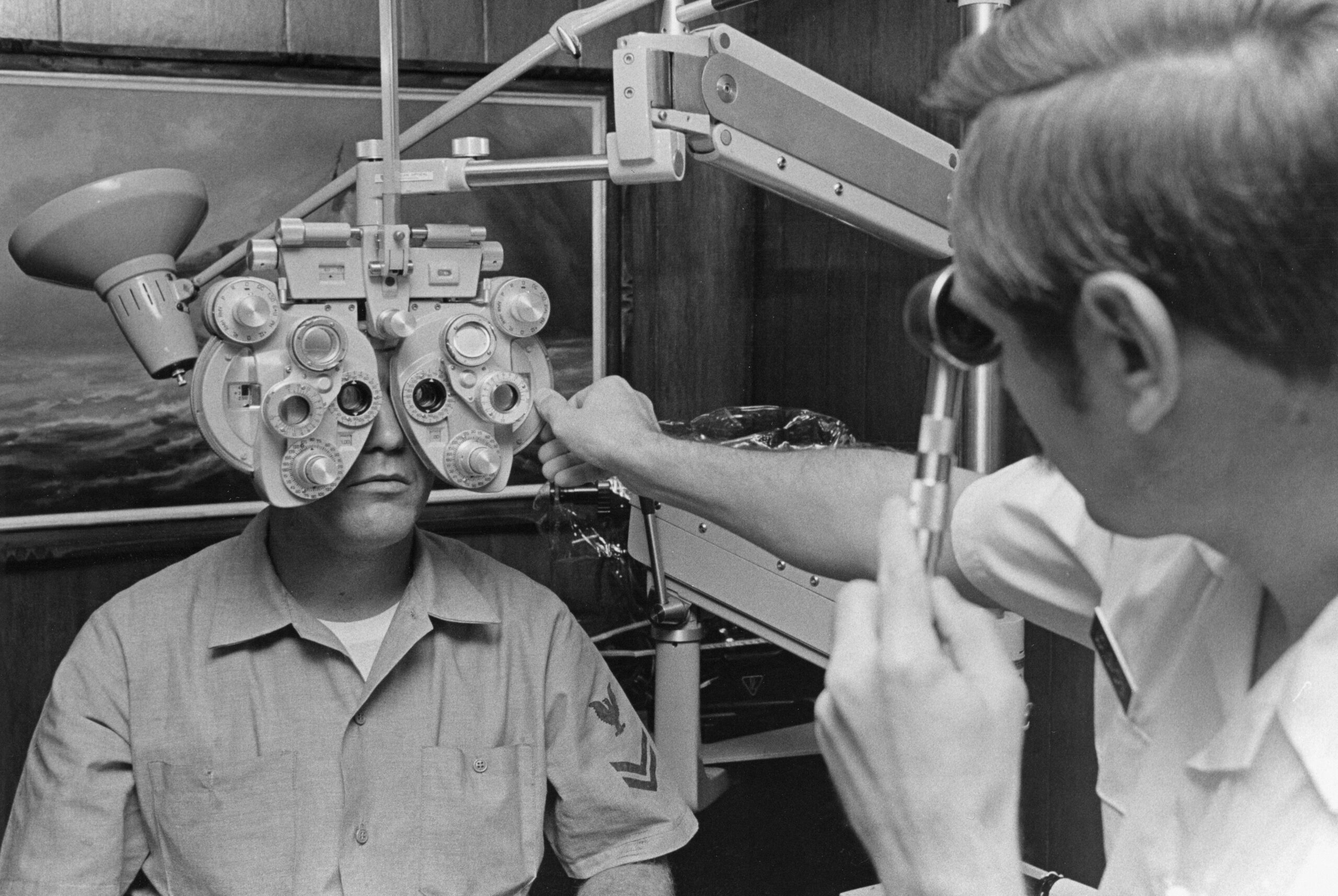
The story of eyewear begins with early attempts to magnify objects and reduce visual strain. Ancient civilizations experimented with polished crystals and simple lenses to improve vision for reading and craftsmanship. These tools lacked precision, yet they introduced the idea that vision could be enhanced through technology. As curiosity grew, inventors searched for more advanced methods, which eventually led to the creation of the first actual eyeglasses in medieval Europe.
During the late thirteenth century, Italian artisans produced convex lenses designed for people with farsightedness. Their work marked a significant advancement in optical science. Even though these early glasses rested awkwardly on the nose and required careful handling, they provided immense value. They allowed people to read longer, work more accurately, and engage with their communities more confidently. This shift proved that improved sight could transform lives and strengthen intellectual growth.
Development Across the Renaissance
As Europe entered the Renaissance, interest in education, literature, and art surged. With this rise in intellectual activity came a greater demand for vision correction. Scholars, monks, and artisans embraced eyeglasses as essential tools. Although the designs remained basic, their presence became common in academic settings. Their growing popularity revealed how deeply people valued clarity and concentration.
Manufacturers began exploring new materials and frame shapes during this period. They carved frames from natural elements such as wood, bone, and horn, and these variations added character to each pair. While function remained the main priority, the introduction of stylistic differences foreshadowed eyewear’s future role as a fashion item. People used these accessories to show personal taste while improving their daily experiences.
The Renaissance also encouraged scientific inquiry. Optical theorists studied the eye more closely and introduced concave lenses for nearsightedness. This discovery made valuable eyewear to an even broader population. Consequently, eyeglasses gained a reputation as practical tools that supported learning, craftsmanship, and professional advancement.
Industrial Expansion and Changing Public Perception
The Industrial Revolution marked a dramatic turning point by making eyeglasses widely accessible. Factories produced frames and lenses in large quantities, reducing costs and expanding availability. People from diverse economic backgrounds gained the ability to purchase eyewear, reshaping public attitudes. Wearing glasses now represented practicality rather than luxury.
As mass production improved consistency, frames became more comfortable and durable. Manufacturers introduced metal and wire designs that felt lighter on the face and stayed in place longer. These improvements encouraged more people to wear their glasses daily and benefit from consistent vision correction. At the same time, developments in optical science enabled more precise prescriptions, improving the quality of life for millions.
The growing use of photography also changed how society perceived eyewear. Influential figures appeared in portraits and advertisements wearing glasses, and these images strengthened the association between eyewear and intelligence. Over time, this connection made glasses part of a respected and relatable identity. They no longer symbolized weakness but instead suggested competence and professionalism.
Eyeglasses Enter the World of Fashion
The twentieth century ushered in a new era where eyewear became far more than a medical tool. Designers saw potential for creativity and began producing bold, expressive frames. Celebrities played a crucial role by wearing distinctive glasses that captured public attention. As people admired these personalities, they adopted similar looks to express confidence and individuality. Eyewear now conveys fashion, personality, and cultural identity.
Innovations in materials provided even more possibilities. Plastic frames introduced vibrant colors and shapes that appealed to a wide range of tastes. Metal alloys produced thin, lightweight designs that offered sophistication and comfort. These changes helped eyewear appeal to people of all ages and lifestyles. People could select frames that matched their wardrobe, mood, or professional image, which made glasses a core element of personal expression.
Advances in eye care supported this growing trend. Optometrists developed new tools to accurately diagnose vision problems, and lens makers created specialized options such as bifocals and tinted coatings. These improvements gave wearers confidence that their glasses met both their medical and stylistic needs. As a result, eyewear evolved into a seamless blend of function and fashion.
Modern Trends and Technological Breakthroughs
Today’s eyewear landscape reflects dynamic innovation and constant evolution. Lens technology now includes blue-light protection, high-definition clarity, and scratch-resistant features. These advancements support modern lifestyles, especially as people spend more time using digital devices. Because of these improvements, wearers experience greater comfort in work, recreation, and daily tasks.
Frame design continues to expand with minimalist metal glasses, oversized artistic styles, and eco-friendly materials. Designers experiment with shape, color, and texture to meet changing tastes. Social media also influences these trends. When influencers share their favorite frames, their followers quickly adopt similar styles. This rapid movement of ideas fuels creativity and keeps the industry vibrant.
Customization plays a significant role in today’s eyewear culture. Many brands allow customers to design their own frames by choosing colors, textures, and lens features. This level of personalization supports the modern desire for individuality. Wearers can express themselves through subtle elegance or bold statements, and eyewear companies continue responding with new options that reflect these preferences.
A Future Shaped by Innovation and Expression
The journey of eyewear continues as technology and fashion advance together. Glasses began as simple magnifying tools, yet they have become powerful symbols of individuality and style. Their evolution reflects centuries of innovation and a consistent desire to improve vision and self-expression. As new materials, designs, and optical technologies emerge, eyewear will remain a defining part of both personal identity and cultural history.