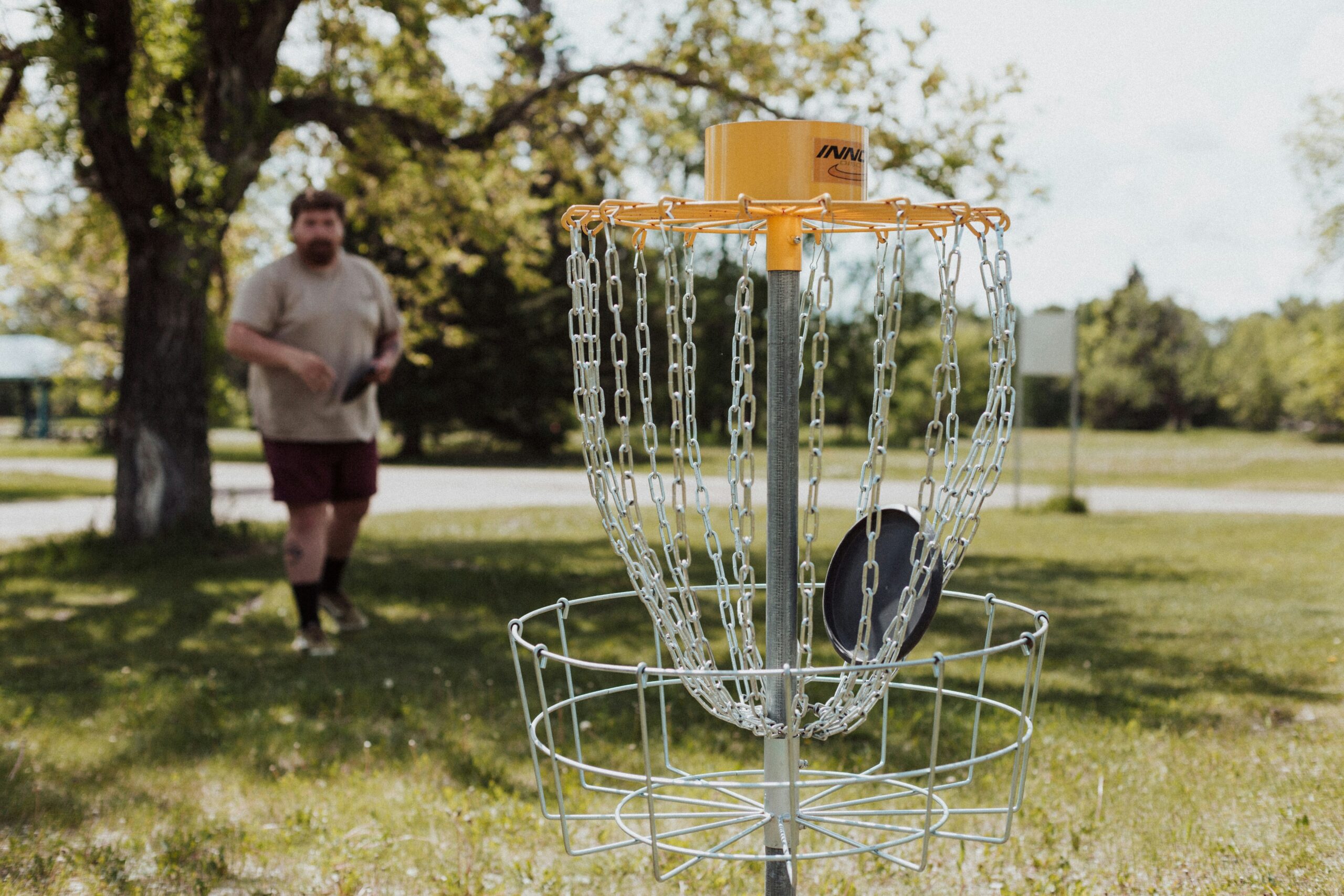
Disc golf is a physical sport, but strong mental skills can make a major difference during a tournament. Players need accurate throws, good course management, and confidence under pressure. Even experienced players can struggle when nerves, frustration, or negative thoughts take control. Developing a strong mental approach can help you stay focused, make better decisions, and perform consistently from the first hole to the last.
Mental preparation for disc golf tournaments does not require complicated techniques. Simple habits such as controlled breathing, positive self-talk, visualization, and staying focused on the present shot can help you handle pressure. When these strategies become part of your regular practice routine, they can feel natural during competition.
Build a Consistent Pre-Tournament Routine
A consistent routine can help prepare your mind for tournament conditions. Before your round, give yourself enough time to warm up, check your equipment, review the course, and settle your thoughts. Avoid rushing from one activity to another.
Your pre-tournament routine should create a feeling of familiarity. You might spend a few minutes stretching, practicing short putts, and making several controlled drives. The goal is not to throw as hard as possible before the round. Instead, use your warm-up to develop rhythm and confidence.
A familiar routine can also reduce uncertainty. When your mind knows what to expect before the first tee shot, it may be easier to stay calm and focused.
Focus on the Shot in Front of You
One of the most important mental strategies in disc golf is staying in the present. Thinking about a previous mistake or worrying about the final score can distract you from the shot you need to make.
After each throw, give yourself a short moment to recognize what happened. Then reset and prepare for the next shot. If you make a poor drive, avoid carrying frustration to the next tee. If you make an excellent birdie, avoid becoming overly excited about what it might mean for your score.
Focus on the target, the conditions, your intended flight path, and the execution of the current shot. Staying in the present helps keep your attention on factors you can actually control.
Use Positive and Realistic Self-Talk
Your internal dialogue can influence how you respond to pressure. Negative statements such as “I always miss this putt” can increase tension and make a difficult situation feel worse.
Instead, use short and realistic phrases that support your process. Statements such as “Commit to the line,” “Smooth and controlled,” or “Trust the throw” can direct attention toward the task.
Positive self-talk does not mean pretending that mistakes do not matter. It means responding to mistakes in a productive way. When you throw a bad shot, acknowledge it without attacking yourself. Then shift your attention toward the next decision.
Control Tournament Nerves With Breathing
Nervousness is common in disc golf tournaments, especially before important drives, putts, or closing holes. Trying to eliminate nerves completely may not be realistic. Learning to manage them is more useful.
Slow, controlled breathing can help you settle your body before a difficult shot. Take a comfortable breath, relax your shoulders, and allow your attention to return to your routine. Avoid rushing into the throw simply because you feel nervous.
Breathing can also become part of your pre-shot routine. A consistent breathing pattern gives your mind something simple to focus on while helping you create a calmer rhythm.
Visualize Successful Throws
Visualization is another useful mental strategy for disc golf performance. Before throwing, picture the intended flight of the disc. Imagine the release, the line, the turn, and the landing area.
Keep the visualization simple and realistic. You do not need to imagine an extraordinary shot every time. Picture the controlled throw you are capable of making.
Visualization works best when combined with physical practice. During training rounds, take a moment before selected shots to visualize the line before executing it. Over time, this process can become a natural part of tournament preparation.
Manage Mistakes Without Losing Momentum
Mistakes are unavoidable in tournament disc golf. A bad kick, missed putt, early release, or unexpected wind gust can quickly change a hole. The important skill is learning how to recover mentally.
Instead of replaying the mistake repeatedly, identify what you can learn from it and move forward. Ask yourself what the next shot requires. This approach keeps a single mistake from affecting several holes.
A useful reset can be as simple as taking a breath, relaxing your grip, and returning to your normal pre-shot routine. The purpose is to create a clear mental break between the previous shot and the next one.
Trust Your Preparation Under Pressure
Tournament pressure often causes players to abandon the techniques they practiced. They may throw harder, change their putting routine, or choose shots they have rarely attempted.
Trusting your preparation means relying on skills that you have already developed. If you have practiced your putting routine, use it. If you have practiced controlled drives, rely on those mechanics instead of forcing extra distance.
Confidence does not mean believing that every shot will be perfect. It means trusting your preparation enough to execute your plan even when the outcome is uncertain.
Develop Mental Strength Through Practice
Mental skills improve through repetition, just like throwing and putting skills. During practice rounds, create small challenges that require focus. Practice your routine after a poor throw. Take important putts while imagining tournament pressure. Play a few holes while focusing entirely on your pre-shot process rather than your score.
After practice, consider what affected your concentration. Notice when you became frustrated, rushed a decision, or started thinking too far ahead. Understanding these patterns can help you develop better responses.
A strong mental game can make disc golf tournaments feel more manageable. By building a consistent routine, controlling your breathing, using realistic self-talk, visualizing shots, and staying focused on the present, you can create a more stable approach to competition. Physical skill will always matter, but the ability to stay composed and committed can help you make better use of those skills when tournament pressure is highest.