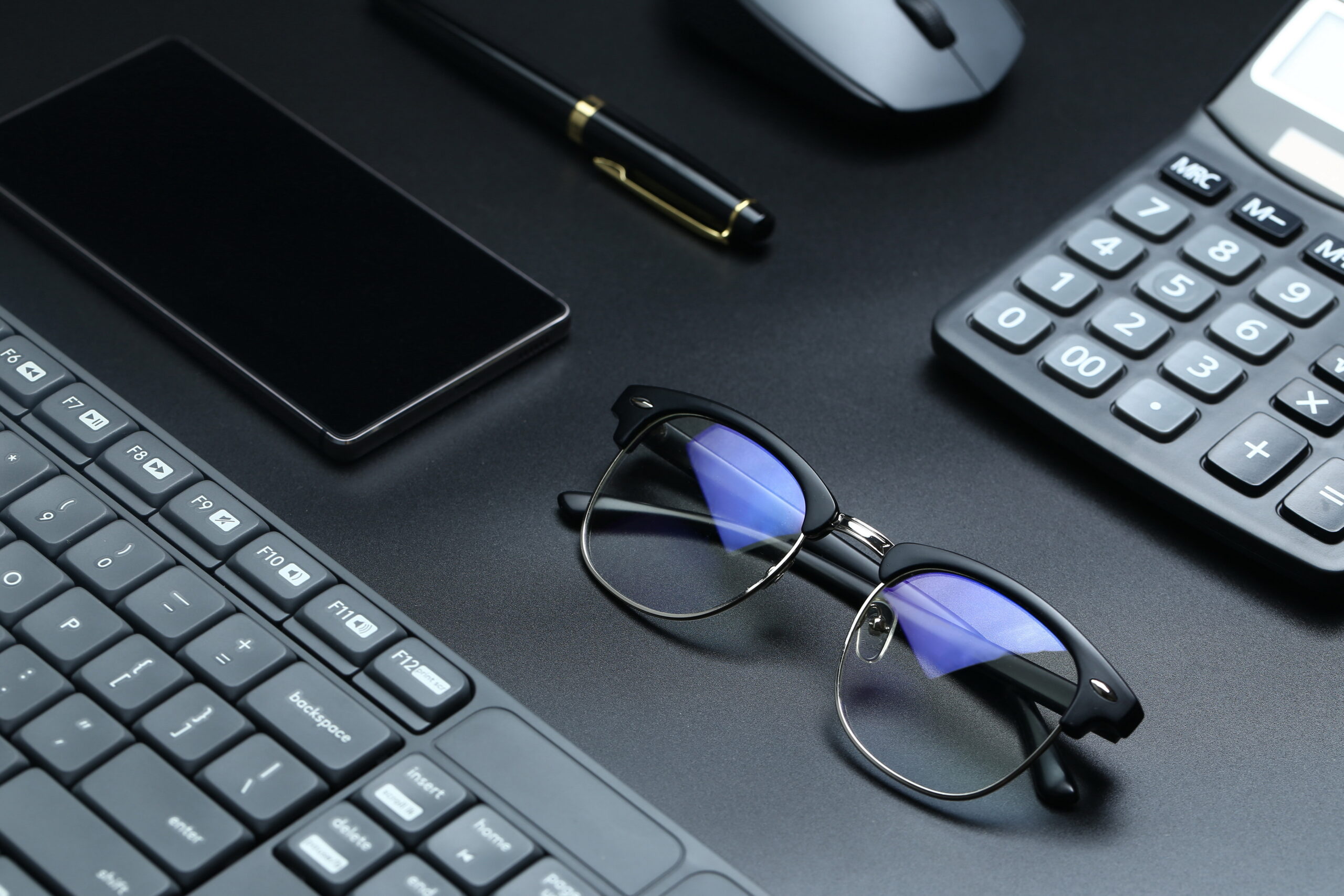
Digital screens are everywhere in modern life. People spend hours every day looking at smartphones, computers, tablets, and televisions. Because of this constant exposure, many people worry about how screens affect eye health. One popular solution that has gained attention in recent years is blue light glasses. These glasses claim to block or filter blue light from screens and reduce digital eye strain.
Manufacturers and marketers promote blue light glasses as a way to improve comfort during screen use, help people sleep better, and protect long-term eye health. However, many people still ask a simple question. Do blue light glasses actually work? Understanding what blue light is and how it interacts with our eyes can help answer that question.
What Blue Light Is and Where It Comes From
Blue light is part of the visible light spectrum. Light from the sun contains many colors, and blue light is among the highest-energy wavelengths humans can see. Natural sunlight is actually the biggest source of blue light that people experience each day.
Digital devices also emit blue light, though the amount is much lower than that from the sun. Smartphones, LED screens, televisions, and energy-efficient lighting all produce blue light. Since many people spend long hours indoors using devices, exposure to artificial blue light has become a growing topic of interest for researchers and health professionals.
The concern is not only about screen brightness but also about the time spent using them. Long periods of screen use can lead to eye fatigue and discomfort. Because blue light has a relatively short wavelength and high energy, some experts once suggested it might contribute to digital eye strain or even long-term eye damage. This idea helped create demand for blue-light-filtering glasses.
Why Digital Eye Strain Happens
Digital eye strain, sometimes called computer vision syndrome, is a common problem for people who spend long hours looking at screens. Symptoms often include dry eyes, headaches, blurred vision, and difficulty focusing. Many people also report neck or shoulder discomfort after extended screen use.
However, blue light itself is not necessarily the main cause of these symptoms. Experts say digital eye strain often occurs because people blink less when looking at screens. Reduced blinking leads to dryness and irritation. Staring at a fixed distance for long periods can also tire the focusing muscles in the eyes.
Screen glare, poor lighting, and improper viewing distance can also contribute to discomfort. When someone sits too close to a screen or works in dim lighting, the eyes have to work harder. These factors, when combined, can create the fatigue many people associate with digital devices.
What Blue Light Glasses Are Designed to Do
Blue light glasses feature special lenses that filter or absorb a portion of blue light before it reaches the eyes. Some lenses have a slight yellow tint, while others appear clear but still contain filtering coatings. The goal is to reduce exposure to blue light during screen use.
Manufacturers claim that these glasses can reduce eye strain, improve visual comfort, and help people fall asleep more easily. The sleep claim comes from research showing that evening blue light exposure can affect the body’s natural sleep cycle.
Many blue light lenses block only a small percentage of blue wavelengths. Higher-strength versions may filter more blue light, especially the wavelengths believed to influence sleep hormones. These glasses are commonly marketed to students, office workers, gamers, and anyone who spends long hours on digital devices.
What Scientific Research Says About Their Effectiveness
Scientific studies on blue light glasses have produced mixed results. Some research suggests that these glasses may provide a small improvement in visual comfort for certain people. However, many major studies have found little evidence that blue-light-filtering lenses significantly reduce digital eye strain.
Organizations such as the American Academy of Ophthalmology have stated that blue light from screens has not been proven to cause eye disease or long-term damage. According to their guidance, the symptoms of digital eye strain are more likely related to how people use screens than to the light they emit.
Recent systematic reviews of clinical trials have also concluded that blue light glasses do not consistently reduce eye fatigue compared with standard lenses. This does not mean the glasses never help anyone. Some individuals may perceive comfort improvements due to reduced glare or psychological expectations.
The Connection Between Blue Light and Sleep
Although blue light glasses may not dramatically reduce eye strain, there is stronger evidence linking blue light exposure to sleep patterns. Blue light can affect melatonin production, a hormone that helps regulate the body’s internal clock.
Exposure to bright blue light in the evening can signal the brain to stay alert. This may delay sleep onset for some people who use phones or tablets late at night. Because of this effect, some researchers believe that blue-light-filtering lenses may help people who use screens before bedtime.
Still, the most effective solution is reducing screen use in the hours before sleep. Lowering screen brightness, enabling night mode features, or switching to warmer lighting in the evening can also help the body prepare for rest.
Other Ways to Reduce Eye Strain From Screens
Even though blue light glasses may not be a magic solution, there are several proven ways to reduce discomfort during screen use. One of the most widely recommended techniques is the 20-20-20 rule. This method encourages people to look at something twenty feet away for twenty seconds every twenty minutes.
Taking regular breaks allows the eye muscles to relax and helps restore normal blinking patterns. Adjusting screen position can also improve comfort. Experts recommend placing screens slightly below eye level and about an arm’s length away.
Proper workspace lighting also plays an important role. Reducing glare from windows or overhead lights can make screens easier to view. Using artificial tears or lubricating eye drops may help reduce dryness after prolonged screen use.
Who Might Benefit From Blue Light Glasses
Some people still prefer using blue-light glasses, even though the scientific evidence is limited. Individuals who feel less eye fatigue while wearing them may benefit from the added comfort. In many cases, the glasses function similarly to anti-glare lenses, reducing reflections on screens.
People who work late at night with bright screens might also notice improved sleep when using blue-light-filtering lenses. However, the effect may vary depending on the filter’s strength and personal sensitivity to light.
Ultimately, blue light glasses are unlikely to harm the eyes, but they should not be seen as a medical necessity. Practicing healthy screen habits, maintaining proper posture, and taking regular visual breaks remain the most reliable strategies for protecting eye comfort.
Understanding the Real Value of Blue Light Protection
Blue light glasses became popular because they promise a simple solution to a modern problem. With so many hours spent looking at screens, it is natural for people to seek ways to protect their eyes. While the idea behind these glasses sounds convincing, the scientific evidence shows a more complicated reality.
Current research suggests that blue light from digital devices is not the main cause of eye strain and does not appear to damage the eyes. However, managing screen time, adjusting lighting conditions, and maintaining healthy viewing habits can significantly improve eye comfort.
For many people, blue light glasses may still offer psychological reassurance or mild visual comfort. The key is understanding that they are only one small tool among many strategies for maintaining healthy vision in a digital world.