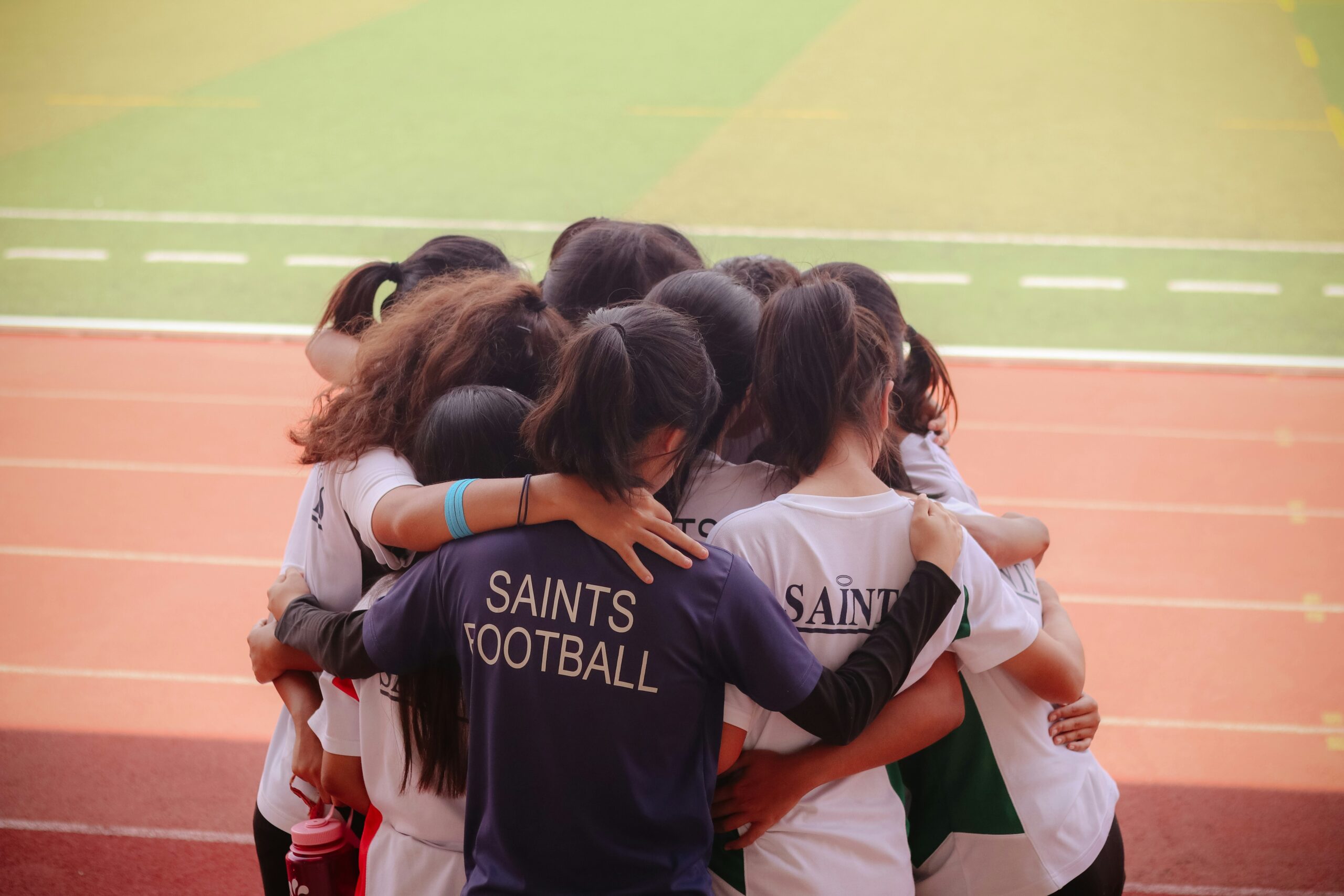
Sports naturally draw young people into church youth ministries. At first, they come for the excitement of activity and competition. Then, they begin to enjoy the friendships and shared experiences that follow. As a result, sports can serve as a powerful starting point for deeper involvement. This simple engagement often leads to lasting participation.
Moreover, physical activity removes hesitation among new members. Youth interact more freely while playing and laughing together. Therefore, early barriers disappear quickly. In addition, leaders connect with youth in a relaxed and approachable setting. This helps build trust and openness from the beginning.
Building Strong Relationships
Sports encourage youth to build meaningful relationships with one another. Players depend on teamwork and communication during games. At the same time, they learn to support each other through challenges. As a result, friendships form naturally and grow stronger over time.
Meanwhile, church leaders use these moments to foster unity and encourage it. They highlight the importance of respect and cooperation. Therefore, youth begin to value community as part of their daily lives. Over time, these relationships extend beyond sports into church activities and personal growth.
Developing Discipline and Focus
Sports help young people develop discipline through consistent practice and participation. They learn to arrive on time, follow instructions, and stay committed to their team. At first, this structure may feel demanding. However, regular involvement turns these habits into character. As a result, discipline becomes a natural part of their behavior.
In addition, competition teaches focus and perseverance. Youth experience both wins and losses. Therefore, they learn how to handle emotions with maturity. This process builds inner strength that supports them in other areas of life.
Encouraging Positive Choices
Church sports programs provide structured environments that promote healthy decisions. Youth stay active and engaged in positive activities. At the same time, they build habits that reduce negative influences. As a result, they develop stronger behavioral patterns.
Moreover, sports encourage accountability among peers. Players rely on each other during games and practices. Therefore, they learn responsibility through real experiences. In addition, leaders guide them through challenges and teach valuable life lessons. This support helps shape better decision-making.
Connecting Faith With Everyday Life
Sports create natural moments for faith-based conversations. Coaches often use breaks or reflections after games to share encouragement. At first, these messages may seem simple. However, they often leave a strong impact. As a result, youth begin to connect spiritual lessons with real-life situations.
In addition, sports create a relaxed environment for communication. Youth feel more open during physical activity. Therefore, discussions about values and beliefs become easier and more meaningful. Over time, these interactions naturally foster spiritual understanding.
Building Leadership Skills
Sports offer youth opportunities to grow as leaders. They take turns making decisions and guiding teammates during activities. At first, they may feel unsure. However, experience builds confidence and responsibility. As a result, leadership skills develop steadily.
Meanwhile, mentors observe and support this growth. They encourage youth to take initiative and learn from mistakes. Therefore, leadership becomes something practiced rather than taught. In addition, these experiences prepare youth for future roles in church and community life.
Strengthening Church Community
Sports bring entire church communities together in powerful ways. Families attend games, volunteers support events, and youth participate actively. At the same time, shared experiences create unity across generations. As a result, the church community becomes stronger and more connected.
Moreover, these events build lasting memories for everyone involved. People celebrate achievements and support each other through challenges. Therefore, relationships deepen over time. In addition, sports activities often attract new visitors, helping the church grow naturally.
Supporting Health and Well-Being
Sports improve physical and mental health among young people. Regular activity builds strength, coordination, and endurance. At the same time, it helps reduce stress and improve mood. As a result, youth feel more balanced and energized.
In addition, church programs promote overall well-being. They connect physical activity with emotional and spiritual health. Therefore, youth learn to fully care for themselves. Over time, these habits support long-term growth and stability.
Teaching Respect and Responsibility
Sports naturally teach respect for rules, teammates, and opponents. Youth learn to follow guidelines and accept outcomes with maturity. At first, this may require adjustment. However, consistent participation builds understanding. As a result, respect becomes part of their character.
Meanwhile, leaders model fairness and encouragement during every activity. They demonstrate how to handle both success and failure gracefully. Therefore, youth learn through example and experience. In addition, these lessons extend beyond the church setting into everyday life.
Expanding Outreach Through Sports
Sports also help churches connect with the wider community. Events attract people who may not attend regular services. At the same time, they create welcoming and informal environments. As a result, outreach becomes more natural and effective.
Moreover, sports programs reduce barriers for new participants. People can join without pressure or formal expectations. Therefore, they experience the church in a positive, friendly way. Over time, this approach strengthens community engagement and growth.
A Lasting Impact on Youth Growth
Sports continue to play an important role in shaping church youth ministries. They build friendships, strengthen character, and support spiritual development. At the same time, they keep youth engaged in positive activities. As a result, participation remains strong and meaningful.
Sports bring together faith, fellowship, and personal growth. They create lasting experiences that shape young lives in powerful ways. Therefore, church youth ministries that include sports build stronger individuals and stronger communities. This impact continues long after the final whistle.